10 Ways to Best Commercial Pressure Washing Equipment
The best commercial pressure washing equipment delivers high PSI and GPM for tough grime, features durable frames and reliable pumps, includes essential accessories like surface cleaners and undercarriage sprayers, and is backed by local service and parts support—key factors for businesses in Sandusky, Ohio, and across Ohio and Michigan.
Key Takeaways
- Choose the right PSI/GPM combo for your specific cleaning tasks.
- Prioritize durable construction and reliable pump brands like Hotsy or Mi‑T‑M.
- Add essential accessories such as surface cleaners, undercarriage sprayers, and proper nozzles.
- Partner with a local dealer for service, parts, and tailored wash‑bay design in Sandusky, Ohio.
-
1. Determine Your Cleaning Requirements
Start by mapping out what you’ll be cleaning and how often. Different surfaces demand different pressure and flow: concrete driveways often need 3,000–4,000 PSI at 4–5 GPM, while delicate vehicle finishes may only require 1,500–2,000 PSI. Consider the volume of work—high‑traffic fleets or manufacturing lines benefit from higher GPM to reduce cycle time, whereas occasional spot cleaning can tolerate lower flow. In Sandusky, Ohio, where lake‑effect snow brings heavy road‑salt use, many operators prioritize undercarriage cleaning to fight corrosion, which influences the GPM needed for effective spray coverage. Write down your typical contaminants (grease, mud, salt, chemicals) and the size of the area you’ll treat each day. This baseline helps you avoid over‑specifying (which raises cost) or under‑specifying (which leads to poor results). Enzo’s Cleaning Solutions offers a free consultation to match your workflow with the right equipment, ensuring you invest in the best commercial pressure washing equipment for your exact needs.
-
2. Choose Between Hot and Cold Water Systems
Hot water pressure washers excel at breaking down oils, greases, and stubborn hydrocarbons, making them ideal for food‑processing plants, automotive shops, and industrial kitchens. Cold water units are sufficient for general dirt, mud, and salt removal, and they tend to be simpler and less expensive to maintain. If your operation in Ohio or Michigan regularly deals with coolant leaks, hydraulic fluid, or food‑grade residues, a hot water system—such as the Mi‑T‑M electric hot water pressure washers or Hotsy natural‑gas models—will cut cleaning time dramatically. Conversely, for municipal street sweeping or agricultural equipment where the main challenge is dried mud and road salt, a robust cold water washer with adequate GPM will suffice. Remember that hot water systems require a fuel source (electric, natural gas, propane, or diesel) and proper ventilation, especially in enclosed wash bays. Enzo’s team can help you evaluate fuel availability and safety codes in Sandusky, Ohio, to select the configuration that delivers the best commercial pressure washing equipment ROI.
-
3. Evaluate Pump Durability and Brand Reputation
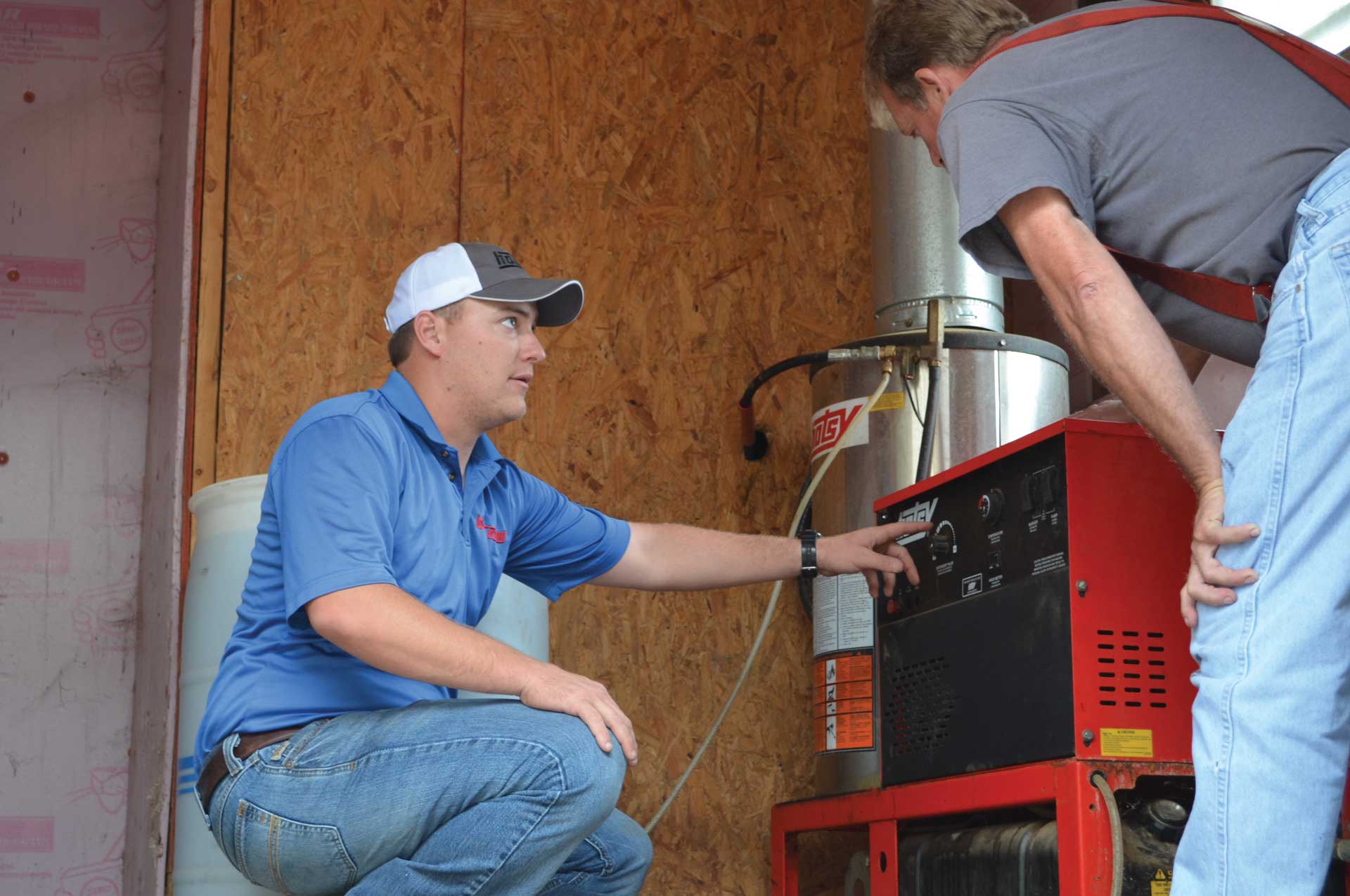
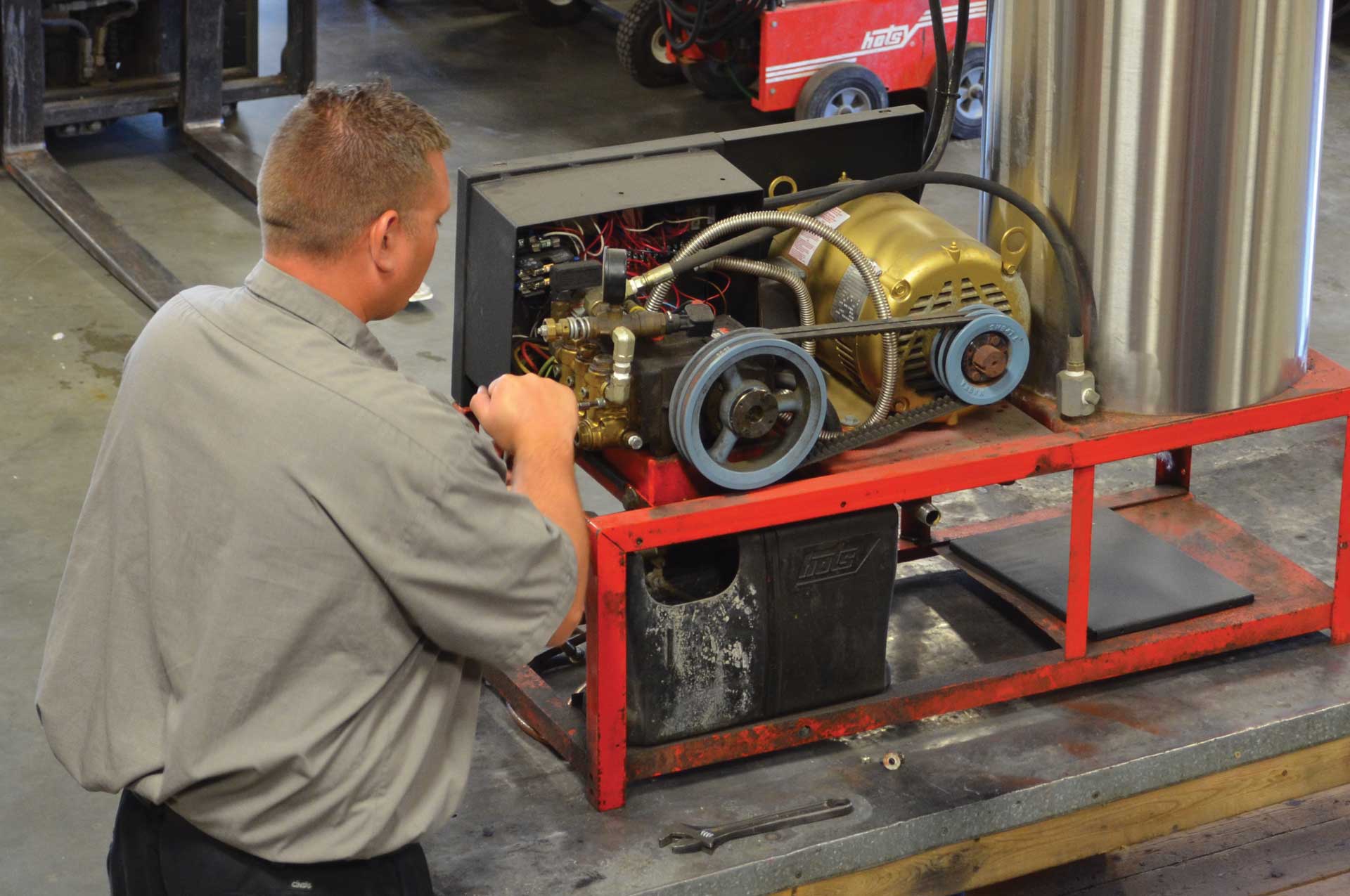
The pump is the heart of any pressure washer; its longevity determines uptime and service costs. Look for pumps with forged brass manifolds, ceramic plungers, and thermal relief valves—features common in Hotsy and Mi‑T‑M lines. These brands are known for withstanding continuous duty cycles in harsh environments, from freezing Michigan winters to humid Ohio summers. When assessing durability, check the pump’s RPM rating; lower RPM often means less wear and quieter operation. Also verify that the dealer stocks genuine replacement parts and offers factory‑trained technicians. Enzo’s Cleaning Solutions carries an extensive inventory of Hotsy and Mi‑T‑M pumps, seals, and valves, and their service team follows the CLEAN Accountability Plan, which tracks efficiency, effectiveness, and safety on every job. By choosing a pump backed by a reputable brand and local support, you reduce the risk of unexpected downtime and ensure your investment in the best commercial pressure washing equipment pays off year after year.
-
4. Select Essential Accessories
Even the most powerful washer needs the right tools to reach every crevice. Surface cleaners accelerate flat‑area cleaning by distributing pressure evenly across a wide path, reducing streaking and labor time. Undercarriage sprayers—like Enzo’s patented Neutralizer—are vital for fleets operating in Salt‑prone regions; they chemically neutralize road salt while blasting away grime, helping meet corrosion‑protection standards in both Ohio and Michigan. Nozzle selection matters too: a 0° pencil jet delivers maximum impact for tough spots, while 25° or 40° fan nozzles provide broader coverage for rinsing. Wands, lances, trigger guns, and quick‑connect fittings should be rated for your system’s PSI and GPM to avoid premature wear. Don’t forget accessories like hose reels, float tanks, and detergent injectors if you plan to use chemicals. Enzo’s Cleaning Solutions stocks a full line of Pressure Washer Accessories, including surface cleaners, nozzles, and the Neutralizer undercarriage system, ensuring you can configure the best commercial pressure washing equipment for any application.
-
5. Consider Portability vs. Stationary Installations
Your workflow dictates whether a mobile unit or a fixed wash bay makes more sense. Portable pressure washers on trailers or skids offer flexibility for construction sites, farms, or municipalities that need to move equipment between locations. Enzo’s provides single‑ and dual‑axle pressure washer trailers that can be paired with hot or cold water units, letting you bring the best commercial pressure washing equipment directly to the job site. Stationary wash bays, on the other hand, deliver consistent throughput for fleet depots, manufacturing plants, or healthcare facilities. They can be customized with reclaim systems, heated floors, and automated conveyor designs. In Sandusky, Ohio, where proximity to Lake Erie influences humidity and corrosion, many clients opt for a stationary bay with integrated undercarriage treatment to protect vehicles year‑round. Think about space, utility access (water, electricity, fuel), and whether you need a drive‑through or roll‑in design. Enzo’s wash‑bay design and installation service handles everything from layout to plumbing, ensuring your setup meets local codes and maximizes efficiency.
-
6. Factor in Maintenance and Service Support
Even the toughest equipment requires routine care to maintain performance. Look for dealers that offer scheduled maintenance plans, genuine parts inventory, and rapid response service. Enzo’s Cleaning Solutions provides preventative‑maintenance contracts that include pump oil changes, seal inspections, nozzle checks, and safety valve testing—key steps to avoid costly breakdowns. Their CLEAN Accountability Plan goes further by documenting efficiency (water and energy use), effectiveness (cleaning results), and safety (operator training, PPE compliance). For businesses in Ohio and Michigan, where seasonal shifts can affect equipment (e.g., freezing temperatures threatening pumps), having a local service team in Sandusky means faster response times and reduced downtime. Additionally, inquire about warranty registration and whether the dealer offers training on proper operation and chemical handling. When you partner with a provider that stands behind the best commercial pressure washing equipment with expert service, you protect your investment and keep your operation running smoothly.
-
7. Review Detergent and Disinfecting Compatibility
Chemicals can boost cleaning power, but they must be matched to your equipment and the surfaces you treat. Pressure washers equipped with detergent injectors allow precise metering of alkaline degreasers, acidic descalers, or neutral sanitizers. For food‑processing plants in Michigan, EPA‑approved disinfectants are essential to meet FSMA standards, while automotive shops in Ohio often rely on citrus‑based degreasers that are safe on paint and rubber. Enzo’s Cleaning Solutions offers a full range of industrial detergents and disinfecting systems, including transportation‑truck‑bus wash detergents, construction‑equipment cleaners, and hospital‑grade sanitizers. Their Vapore dry‑vapor disinfecting units provide chemical‑free pathogen reduction for sensitive environments. Always verify that the chemicals you select are compatible with your pump seals and hoses—some aggressive acids can degrade certain materials over time. By aligning your chemical program with the best commercial pressure washing equipment, you achieve superior results while extending equipment life and maintaining regulatory compliance.
-
8. Budget for Total Cost of Ownership
The purchase price is only one piece of the financial picture. Factor in installation, accessories, fuel or electricity consumption, routine maintenance, and potential downtime. A higher‑priced unit with a durable pump and strong dealer support often yields a lower total cost of ownership than a cheaper model that needs frequent repairs. In Sandusky, Ohio, many customers find that investing in a hot‑water system with a reclaim tank reduces water‑sewer fees and helps meet local storm‑water regulations. Additionally, consider energy‑efficiency features like variable‑speed drives or automatic shut‑off timers, which can cut operating costs over the unit’s lifespan. Enzo’s Cleaning Solutions provides detailed quotes that break down equipment, installation, accessories, and service options, allowing you to compare scenarios side‑by‑side. They also run periodic promotions on Hotsy and Mi‑T‑M models, which can lower upfront expense. By evaluating the full lifecycle cost, you ensure that your choice truly represents the best commercial pressure washing equipment for your budget and operational goals.
Frequently Asked Questions
What PSI and GPM should I look for in the best commercial pressure washing equipment?
There’s no one‑size‑fits‑all answer, but a good starting point is 3,000–4,000 PSI with 4–5 GPM for general heavy‑duty tasks like fleet washing and concrete cleaning. For lighter duties (e.g., vehicle detailing or equipment rinsing), 1,500–2,500 PSI at 2–3 GPM may suffice. If you regularly tackle grease or oil, consider a hot‑water unit in the same PSI/GPM range, as heat improves chemical action. Always match the flow to the size of the area you clean—higher GPM reduces cycle time on large surfaces.
How often should I service my pressure washer in Ohio?
At a minimum, follow the manufacturer’s recommended service interval, which is typically every 500 operating hours or every three months, whichever comes first. In Ohio’s variable climate, it’s wise to inspect seals and pump oil before winter to prevent freeze damage, and to check for corrosion after the road‑salt season. Enzo’s Cleaning Solutions offers scheduled‑maintenance plans that include these checks, helping you keep the best commercial pressure washing equipment running reliably year‑round.
Where can I find genuine parts for Hotsy and Mi‑T‑M pressure washers in Sandusky?
Enzo’s Cleaning Solutions maintains an inventory of authentic Hotsy and Mi‑T‑M components—including pumps, seals, nozzles, and valves—at their Sandusky, Ohio location. You can order parts online through their website or visit the service desk for same‑day pickup. Using genuine parts ensures proper fit, maintains warranty coverage, and preserves the performance and safety of your equipment.
Ready to equip your business with the best commercial pressure washing equipment? Contact Enzo's Cleaning Solutions today for a free consultation and expert service. Schedule your free consultation or get in touch to discuss your specific needs.