← Back to Blog
August 14, 2026 Enzo's Cleaning Solutions

5 Things to Know About Commercial Pressure Washer Buying Guide...

When you’re searching for a commercial pressure washer buying guide 2024, focus on the core specs that match your industry’s cleaning demands: pressure (PSI), flow (GPM), hot‑water capability, mobility, and reliable service support. Understanding these factors helps you choose a machine that delivers efficiency, durability, and a quick return on investment for your Sandusky‑area operation.

Key Takeaways

  • Determine the right PSI and GPM for your specific cleaning tasks.
  • Choose between hot‑water and cold‑water models based on grease, oil, or sanitization needs.
  • Evaluate mobility options — skid, trailer, or truck‑mount — for your worksite layout.
  • Partner with a local dealer that offers service, parts, and preventive maintenance programs.
  1. Understanding PSI and GPM Requirements

    Pressure (PSI) and flow rate (GPM) are the two foundational numbers that dictate how effectively a pressure washer will remove dirt, grime, or contaminants. Higher PSI delivers more impact force, which is useful for stripping paint or loosening stubborn deposits, while higher GPM rinses away loosened material faster. For light‑duty tasks such as cleaning sidewalks or vehicles, a unit in the 1500‑2500 PSI range with 2‑3 GPM may suffice. Heavy‑duty applications like degreasing equipment in manufacturing plants or removing built‑up mud from construction machinery often require 3000‑4000 PSI and 4‑5 GPM. When reviewing a commercial pressure washer buying guide 2024, match the PSI/GPM combo to the specific soils you encounter most often. Over‑specifying can waste fuel and increase wear, while under‑specifying leads to longer cleaning times and poorer results. Many dealers in Sandusky, Ohio — serving Ohio and Michigan — offer free consultations to help you calculate the ideal numbers based on your fleet size, surface types, and cleaning frequency.

  2. Hot‑Water vs. Cold‑Water: When Heat Matters

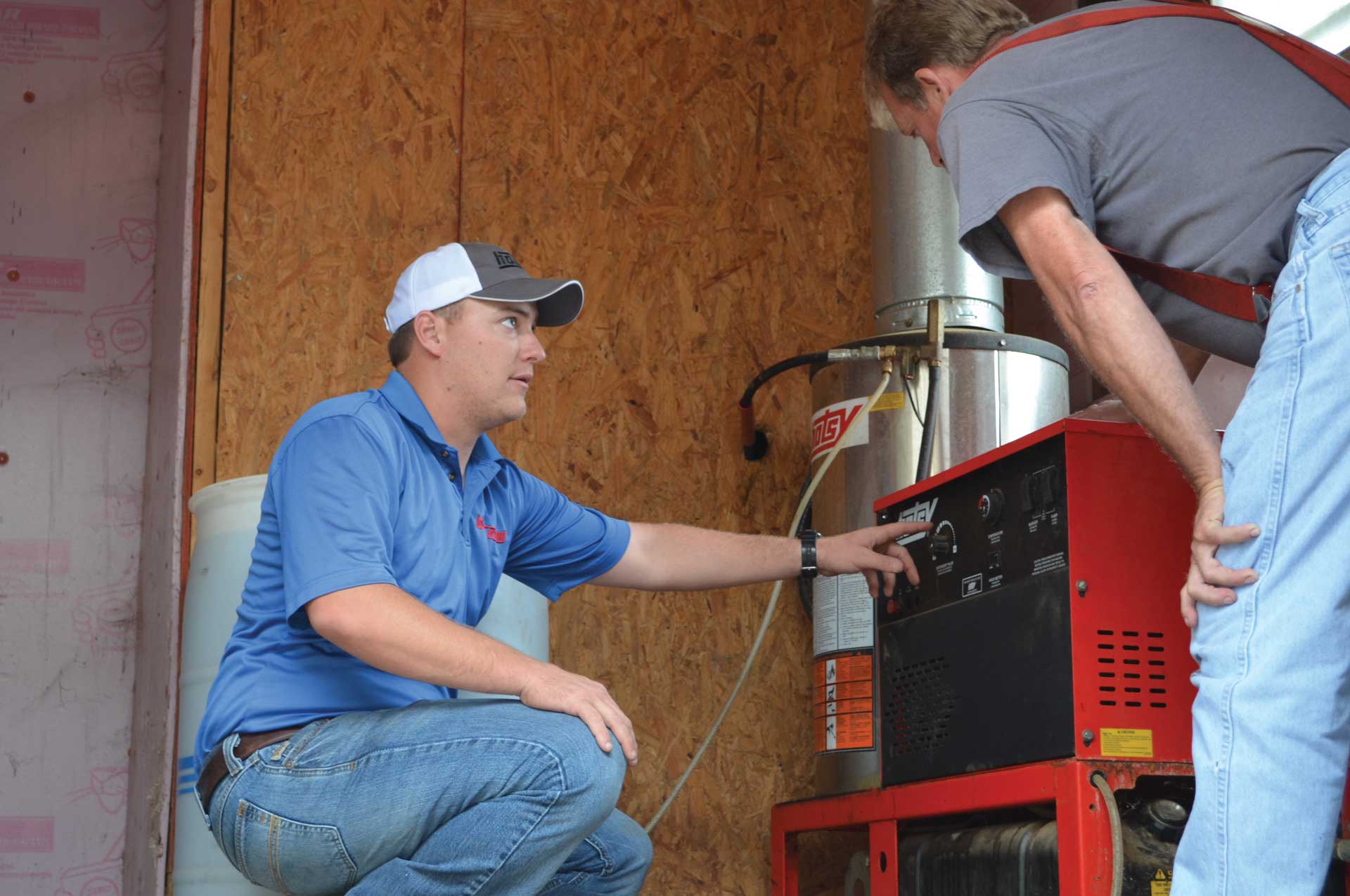
    Hot‑water pressure washers excel at breaking down oils, greases, and biological contaminants because heat reduces surface tension and improves detergent performance. If your operation involves cleaning food‑processing equipment, automotive engines, or industrial machinery with heavy lubricant buildup, a hot‑water model is often the better choice. Cold‑water units are sufficient for removing loose dirt, mud, or sand and tend to be lower in upfront cost and maintenance. The commercial pressure washer buying guide 2024 suggests evaluating the temperature boost you need: most hot‑water systems raise water temperature to 140‑200 °F, which can cut cleaning time by up to half for greasy residues. Consider also the fuel source for heating — electric, gasoline, diesel, or natural gas — each with its own efficiency and emissions profile. Local dealers in Sandusky can demonstrate both types on‑site, letting you see the difference in real‑world conditions before committing to a purchase.

  3. Portability and Mounting Options: Skid, Trailer, Truck‑Mount

    How you move the pressure washer around a job site influences productivity and safety. Skid‑mounted units are compact, easy to store in a garage or shop, and ideal for stationary cleaning bays. Trailer‑mounted systems provide mobility across large campuses, construction sites, or municipal fleets, allowing you to bring the washer directly to the equipment needing service. Truck‑mount configurations integrate the washer into a service vehicle, offering rapid deployment for emergency spill response or routine maintenance routes. When reading a commercial pressure washer buying guide 2024, assess your typical work radius: if you frequently travel between multiple locations in Ohio and Michigan, a trailer or truck‑mount may save time compared to repeatedly loading and unloading a skid unit. Dealers often provide custom mounting solutions, including hose reels, tool boxes, and safety cages, to tailor the setup to your specific workflow.

  4. Fuel Types and Power Sources: Electric, Gasoline, Diesel, Natural Gas

    The power source affects operating cost, emissions, and suitability for indoor versus outdoor use. Electric pressure washers are quiet, produce zero exhaust, and are well‑suited for indoor facilities such as warehouses, food plants, or healthcare centers where air quality matters. They require a reliable electrical connection and may have lower PSI/GPM ceilings compared to fuel‑driven models. Gasoline units offer high portability and strong performance, making them popular for outdoor construction and agricultural jobs. Diesel engines provide greater fuel efficiency and longer run times, often favored for large‑scale municipal or fleet washing operations. Natural‑gas models combine clean‑burning characteristics with robust output, ideal for facilities with an existing gas line. A commercial pressure washer buying guide 2024 will help you weigh factors like fuel availability in Sandusky, Ohio — serving Ohio and Michigan — maintenance requirements, and local emissions regulations when selecting the best power source for your site.

  5. Essential Accessories: Nozzles, Surface Cleaners, Trigger Guns

    Accessories transform a basic pressure washer into a versatile cleaning system. Nozzle tips determine spray angle and concentration; a 0° tip delivers a pinpoint jet for stubborn spots, while a 40° tip offers a wide fan for gentle rinsing. Surface cleaners attach to the wand and rotate to provide uniform coverage on flat areas like floors, decks, or vehicle undercarriages, reducing streaking and labor time. Trigger guns with ergonomic grips improve operator comfort during extended use, and quick‑connect fittings allow rapid swapping of tools. When consulting a commercial pressure washer buying guide 2024, consider which accessories align with your most frequent tasks. For example, fleet managers often invest in undercarriage sprayers that pair with The Neutralizer system to chemically neutralize road salt, a common need for vehicles operating in Ohio winter conditions. Many local suppliers stock OEM‑approved accessories for Hotsy and Mi‑T‑M machines, ensuring compatibility and preserving warranty coverage.

  6. Detergent Compatibility and Chemical Injection Systems

    Using the right cleaning chemical boosts effectiveness and can reduce the required pressure or temperature, extending equipment life. Pressure washers equipped with downstream chemical injectors allow precise metering of detergents, degreasers, or sanitizers directly into the water stream. It’s essential to verify that the chemicals you plan to use are compatible with the pump seals and materials of your chosen model; incompatible solutions can cause premature wear or corrosion. A commercial pressure washer buying guide 2024 recommends reviewing the chemical resistance ratings provided by manufacturers and conducting a small‑scale test before full‑scale deployment. For operations in Sandusky that handle food processing or healthcare sanitation, look for NSF‑approved or EPA‑registered detergents that meet local health codes. Dealers often provide guidance on chemical selection and can set up proportioning systems that maintain consistent dilution ratios, improving both cleaning results and cost control.

  7. Service, Parts Availability, and Preventive Maintenance Plans

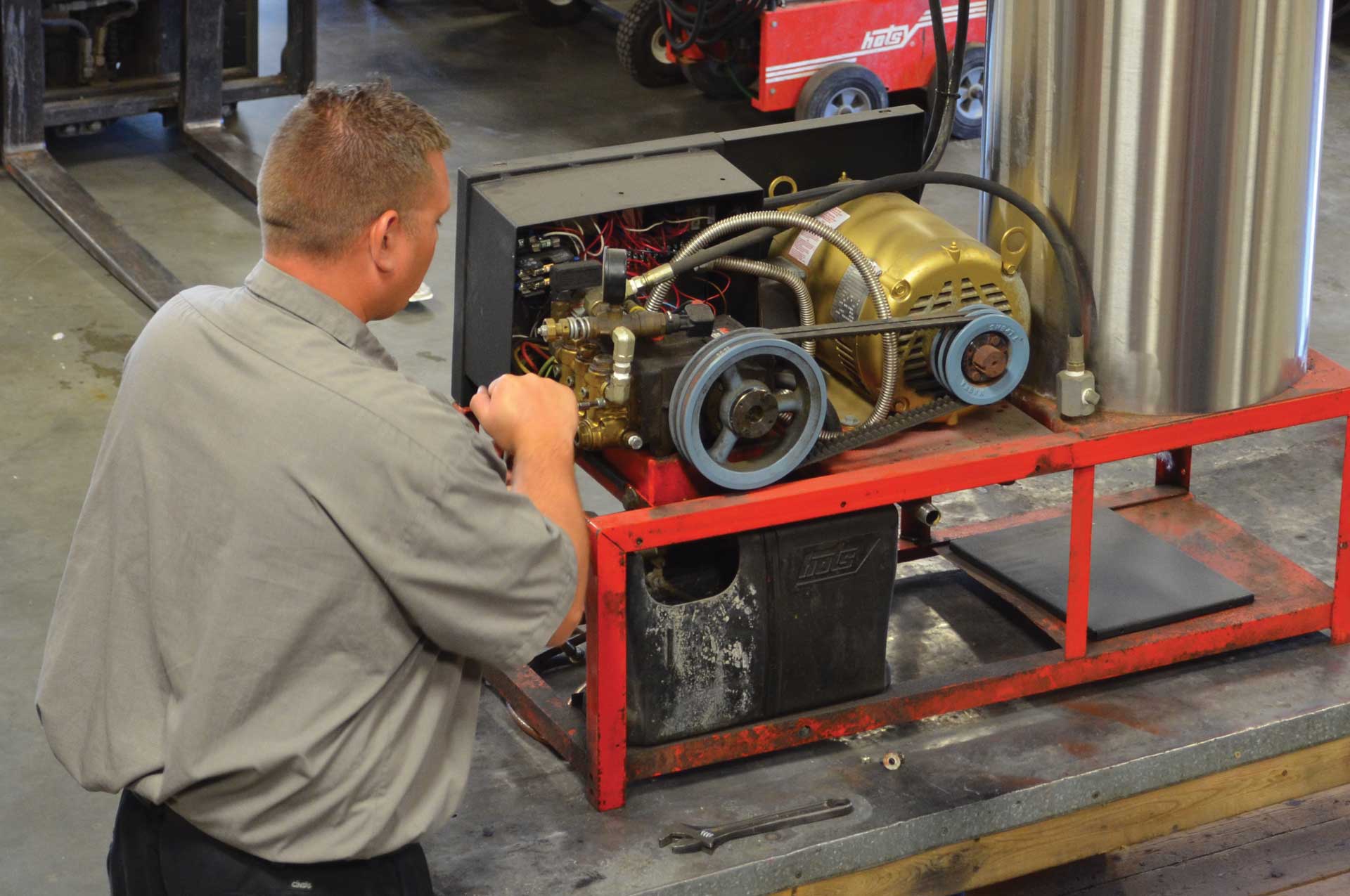
    Even the most rugged pressure washer requires regular upkeep to maintain peak performance. When evaluating a commercial pressure washer buying guide 2024, prioritize dealers that offer comprehensive service networks, genuine OEM parts, and responsive technical support. In Sandusky, Ohio — serving Ohio and Michigan — Enzo’s Cleaning Solutions provides scheduled maintenance programs, preventative maintenance contracts, and emergency repair services for Hotsy and Mi‑T‑M equipment. Their CLEAN Accountability Plan covers efficiency, effectiveness, and safety, helping you track service intervals, parts replacements, and performance metrics. Having a local partner reduces downtime because technicians can arrive quickly with the correct parts, whether you need a pump rebuild, unloader valve replacement, or nozzle inspection. Additionally, inquire about training resources; proper operator training not only improves safety but also helps prevent avoidable wear caused by incorrect pressure settings or chemical misuse.

  8. Safety Features and Operator Training Resources

    Safety should never be an afterthought when selecting industrial cleaning equipment. Look for pressure washers that include pressure relief valves, thermal overload protection, low‑oil shutoffs, and automatic shut‑off triggers when the gun is released. Some models feature lock‑out mechanisms to prevent accidental start‑up during maintenance. A commercial pressure washer buying guide 2024 will highlight the importance of matching safety features to your work environment — especially if you operate in enclosed spaces or near combustible materials. Beyond hardware, effective safety programs incorporate operator training on proper PPE use, chemical handling, and ergonomic techniques to reduce strain. Many dealers in the Sandusky area offer on‑site training sessions or online modules that cover machine startup, shutdown, and routine inspections. Documenting training completion can also support compliance with OSHA or state‑specific workplace safety regulations.

  9. Wash Bay Design and Integration: From The Neutralizer to Full‑Bay Systems

    If you plan to house your pressure washer in a dedicated wash bay, consider how the equipment integrates with drainage, containment, and water‑recycling systems. A well‑designed bay improves efficiency by minimizing overspray, containing runoff, and facilitating easy access for maintenance. The Neutralizer undercarriage sprayer, available through Enzo’s Cleaning Solutions, chemically neutralizes road salt on vehicle frames, helping to prevent corrosion — a valuable addition for fleets operating in Ohio’s winter months. When reviewing a commercial pressure washer buying guide 2024, think about bay dimensions, door clearance, and the need for accessories like tower brushes, surface cleaners, or water‑reclamation tanks. Local experts can assist with layout planning, ensuring that plumbing, electrical, and ventilation meet code requirements. Proper bay design not only extends equipment life but also supports environmental compliance by managing wastewater discharge according to municipal guidelines.

  10. Total Cost of Ownership: Purchase Price, Operating Costs, and ROI

    The sticker price is only one component of the investment; fuel, electricity, water, detergents, maintenance, and potential downtime all affect the true cost of ownership. A commercial pressure washer buying guide 2024 encourages you to calculate estimated hourly operating expenses based on your local utility rates and fuel prices in Sandusky, Ohio — serving Ohio and Michigan. Consider also the expected lifespan of the pump, motor, and heating system; higher‑quality components may carry a higher upfront cost but deliver lower long‑term expenses through fewer repairs and better efficiency. Resale value and warranty coverage also factor into ROI. Many dealers offer financing options or lease‑to‑own arrangements that can align with budgeting cycles. By taking a holistic view of costs, you can select a pressure washer that not only meets your performance criteria but also delivers the best financial outcome over its service life.

Frequently Asked Questions

What PSI and GPM should I look for for washing a fleet of trucks in Ohio?

For fleet washing, a pressure washer in the 3000‑3500 PSI range with 4‑4.5 GPM provides enough force to remove road grime, mud, and light oil deposits without damaging paint or seals. If you regularly encounter heavy grease or need to sanitize undercarriages, consider a hot‑water model that adds 140‑200 °F to the water stream. Many dealers in Sandusky can perform a flow‑and‑pressure test on a sample vehicle to confirm the ideal settings for your specific fleet mix.

How often should I schedule preventive maintenance for my commercial pressure washer?

Preventive maintenance intervals depend on usage, but a good rule of thumb is to inspect the pump, unloader, and filters every 250‑300 operating hours or quarterly, whichever comes first. This includes checking oil levels, inspecting hoses for wear, verifying nozzle integrity, and testing safety devices. Enrolling in a scheduled maintenance program with a local service provider helps ensure these tasks are performed consistently, reducing the likelihood of unexpected breakdowns.

Can I use a hot‑water pressure washer for sanitizing food‑processing equipment in Michigan?

Yes, hot‑water pressure washers are effective for sanitizing food‑processing surfaces when combined with an approved food‑grade detergent and the proper contact time. The heat helps break down biofilms, while the mechanical action removes debris. Ensure the equipment meets any local health‑department requirements and that the detergents used are NSF‑listed or EPA‑approved for food contact surfaces. A dealer familiar with Michigan regulations can guide you on selecting the right combination of machine, chemical, and sanitization protocol.

Ready to find the perfect pressure washer for your operation? Contact Enzo’s Cleaning Solutions today for a free consultation, expert recommendations, and reliable service — visit our free consultations page or give us a call to discuss your needs.

#informational#listicle#Sandusky, Ohio — serving Ohio and Michigan