How to Industrial Disinfecting Equipment For Food Plants (Step...
To properly select and use industrial disinfecting equipment for food plants, start by assessing your facility’s sanitation needs and regulatory requirements, then choose EPA‑registered disinfectants and appropriate delivery systems (e.g., electrostatic sprayers, foggers, or steam units), integrate them into your cleaning workflow, train staff, establish SOPs, and schedule regular maintenance and verification.
This guide walks food‑plant managers and sanitation teams through a practical, step‑by‑step process for evaluating, purchasing, installing, and maintaining industrial disinfecting equipment. Whether you operate a dairy, meat‑processing, or ready‑to‑eat facility in Sandusky, Ohio, or elsewhere, the steps below help you achieve consistent microbial control while staying compliant with FDA, USDA, and local health codes.
Key Takeaways
- Conduct a thorough risk assessment that identifies product‑contact surfaces, pathogen concerns, and cleaning frequency requirements.
- Match the disinfectant chemistry (e.g., Vital Oxide, peracetic acid, or chlorine dioxide) to the delivery system for optimal kill‑rates and material compatibility.
- Integrate the equipment into existing wash‑bay, CIP, or manual cleaning lines and provide clear SOPs, PPE guidelines, and hands‑on training.
- Implement a preventive‑maintenance program and regular verification (ATP swabs or microbial plates) to confirm ongoing effectiveness.
Why Industrial Disinfecting Equipment Matters in Food Plants
Food‑processing environments present unique challenges: high moisture, organic soils, and tight production schedules can harbor pathogens such as Listeria monocytogenes, Salmonella, and E. coli. Traditional cleaning alone may not achieve the required log reduction, especially on complex equipment geometries or hard‑to‑reach areas. Industrial disinfecting equipment—such as electrostatic sprayers, fogging systems, or superheated steam units—delivers a uniform layer of EPA‑registered antimicrobial agent, reaching crevices that manual wiping misses. When paired with the correct disinfectant, these systems can achieve a 5‑log (99.999%) reduction in target organisms, supporting compliance with FSMA and reducing the risk of product recalls.
In Sandusky, Ohio, many food‑processing plants rely on Enzo’s Cleaning Solutions for expert guidance on selecting the right disinfecting technology. Our local team understands the specific regulatory expectations of Ohio’s Department of Agriculture and can recommend equipment that integrates seamlessly with existing wash‑bay designs, pressure‑washer systems, or CIP loops.
Step‑by‑Step Tutorial: Selecting and Using Industrial Disinfecting Equipment for Food Plants
-
Step 1: Perform a Facility‑Specific Sanitation Audit
Begin by mapping every surface that contacts food, as well as non‑product zones that can become contamination reservoirs (e.g., overhead conveyors, drainage channels, HVAC units). Document the type of soil typically encountered—protein fats, carbohydrates, or mineral scales—and note the cleaning frequency required by your HACCP plan. Use this data to calculate the required disinfectant contact time and concentration for each zone. In Sandusky, Ohio, many processors reference the Ohio Ready‑to‑Eat Food Safety Guidelines, which stipulate a minimum 60‑second wet contact for chlorine‑based sanitizers on stainless steel.
Record the findings in a simple spreadsheet that includes surface material, soil load, target pathogen, and recommended log reduction. This audit becomes the foundation for selecting equipment that can deliver the needed dose uniformly across all identified areas.
-
Step 2: Choose the Appropriate Disinfectant Chemistry
Not all disinfectants work equally well with every delivery system. For example, Vital Oxide (a stabilized chlorine dioxide) is compatible with electrostatic sprayers and foggers, while peracetic acid blends often require corrosion‑resistant materials and may be better suited to low‑pressure spray units. Review the EPA registration label to confirm the product is approved for food‑contact surfaces and check for any material compatibility warnings (e.g., avoid prolonged exposure to aluminum with certain oxidizers).
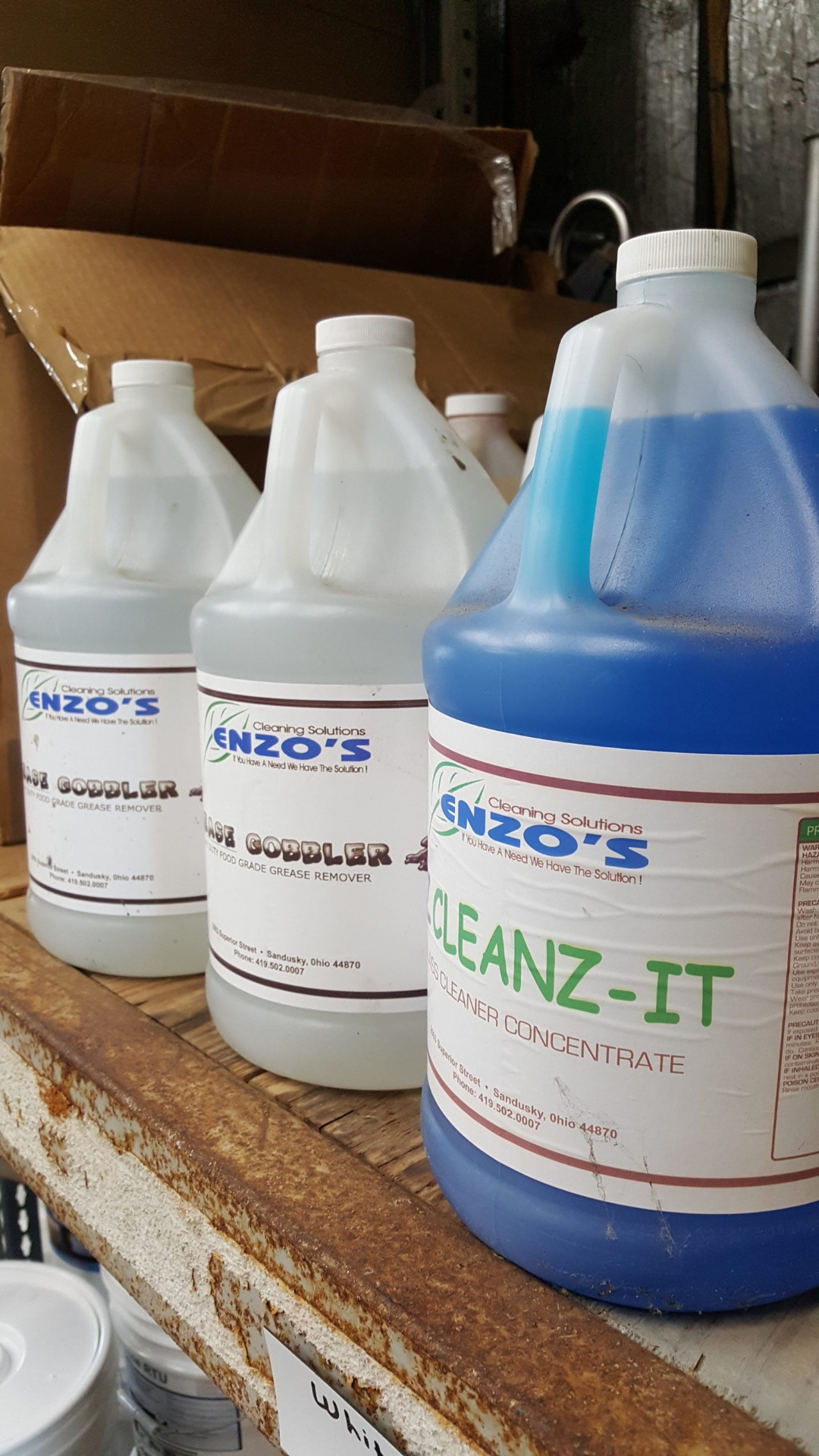
Consider the residue profile: some disinfectants require a potable‑water rinse after application, while others are classified as “no‑rinse” when used at approved concentrations. If your plant runs continuous lines, a no‑rinse option can save time and water. Enzo’s Cleaning Solutions stocks a range of EPA‑registered disinfectants and can provide safety data sheets (SDS) tailored to your specific equipment.
-
Step 3: Select the Delivery System That Matches Your Workflow
Industrial disinfecting equipment falls into three main categories:
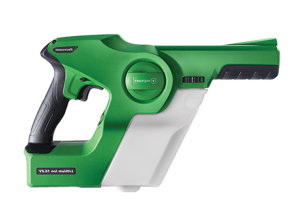
- Electrostatic sprayers – impart a charge to the liquid droplets, causing them to wrap around conductive surfaces and achieve uniform coverage, ideal for complex racks, conveyors, and equipment with many crevices.
- Fogging or misting units** – generate a fine aerosol that penetrates open spaces and can be used for room‑wide decontamination between shifts.
- Superheated steam or dry‑vapor systems** (e.g., Vapore) – deliver high‑temperature, low‑moisture vapor that kills pathogens without wetting electronics or sensitive controls.
Match the system to the audit results: if your audit shows high‑risk zones on intricate machinery, an electrostatic sprayer paired with Vital Oxide may be the best fit. For large open areas such as cooling rooms, a fogger with a hydrogen peroxide‑based disinfectant could be more efficient. Enzo’s team in Sandusky, Ohio, can demonstrate each technology on‑site to help you visualize coverage patterns before purchase.
-
Step 4: Plan Integration with Existing Cleaning Infrastructure
Determine how the new disinfecting equipment will fit into your current sanitation schedule. Will it replace a manual spray step, augment a CIP rinse, or serve as a terminal‑step after washing? Consider logistics such as power requirements, water supply, drainage, and the need for dedicated storage of disinfectant concentrates.
If you already have a pressure‑washer or wash‑bay system from Hotsy or Mi‑T‑M (both brands Enzo’s is an authorized dealer for), you can often add a disinfectant injection module or a downstream electrostatic nozzle without major redesign. For plants in Sandusky, Ohio, that use undercarriage‑type wash systems like The Neutralizer, the disinfecting step can be added after the salt‑neutralizing rinse to ensure both corrosion control and microbial safety.
Create a simple process flow diagram that shows: pre‑rinse → detergent wash → final rinse → disinfectant application → optional rinse (if required) → drying/air‑move. This diagram aids in training and helps maintenance teams locate valves, pumps, and nozzles quickly.
-
Step 5: Install, Calibrate, and Validate the Equipment
Work with a qualified technician—Enzo’s factory‑trained service team can perform installation at your Sandusky, Ohio facility or ship the unit ready for plug‑and‑play. During installation, verify that:
- All electrical connections meet local code (NEC) and are protected by appropriate GFCI devices.
- Fluid lines are rated for the disinfectant’s pressure and temperature specifications.
- Nozzle or electrode positioning provides the recommended spray distance and overlap (typically 12‑18 inches for electrostatic units).
After mechanical installation, run a calibration cycle using water only to check flow rates and droplet size. Then conduct a validation test with the actual disinfectant: place biological indicators (e.g., Geobacillus stearothermophilus spores) or use ATP swabs on representative surfaces before and after a full disinfection cycle. Aim for a ≥5‑log reduction or ATP reading below your established threshold (often <100 RLU for food‑contact surfaces). Document the results; they become part of your sanitation verification records.
-
Step 6: Develop Standard Operating Procedures (SOPs) and Train Staff
Write clear SOPs that cover:
- Preparation of disinfectant solution (dilution ratios, water temperature, mixing equipment).
- Personal protective equipment (PPE) requirements (gloves, goggles, respiratory protection if aerosolizing).
- Step‑by‑step application method (distance, speed, overlap, dwell time).
- Post‑application steps (rinse if required, ventilation, equipment inspection).
- Spill response and waste disposal procedures per local environmental regulations.
Conduct hands‑on training sessions with sanitation crews, supervisors, and maintenance staff. Use a train‑the‑trainer approach so that shift leaders can reinforce proper technique. Keep training records, including date, trainer name, and attendee signatures, as part of your FSMA documentation. Enzo’s Cleaning Solutions offers on‑site training packages that include equipment operation, chemical handling, and troubleshooting—available to customers in Sandusky, Ohio, and the surrounding Midwest.
-
Step 7: Implement Preventive Maintenance and Ongoing Verification
Even the best disinfecting system will drift out of specification without regular care. Adopt Enzo’s CLEAN Accountability Plan model: schedule routine inspections of pumps, nozzles, electrodes, and fluid filters; replace wear parts according to manufacturer intervals; and test disinfectant concentration weekly using a calibrated test strip or titration kit.
Integrate verification into your master sanitation schedule:
- Daily: visual inspection of nozzles for clogs; check pressure gauges.
- Weekly: run a validation cycle with ATP swabs on three critical surfaces.
- Monthly: perform a full system flush, inspect hoses for wear, and backup any programmable settings.
- Quarterly: have Enzo’s service technician perform a comprehensive tune‑up, including pump performance testing and electrode re‑conditioning.
Maintain a logbook (digital or paper) that records maintenance activities, verification results, and any corrective actions. This log not only supports internal audits but also demonstrates due diligence to regulators.
-
Step 8: Review Data, Adjust Parameters, and Pursue Continuous Improvement
At the end of each month, review the collected data: disinfectant usage volumes, ATP or microbial test results, equipment downtime, and labor hours. Look for trends—are certain zones consistently showing higher ATP readings? Does a particular nozzle show wear after a certain number of cycles?
If data indicate a need for adjustment, modify one variable at a time (e.g., increase spray overlap, slightly raise concentration within label limits, or change the application speed). Re‑run validation to confirm the effect. Document every change in your change‑control log.
Continuous improvement also means staying informed about new disinfectant chemistries or equipment upgrades. Enzo’s Cleaning Solutions regularly updates its product line with the latest EPA‑registered agents and can advise Sandusky, Ohio, plants on retrofitting existing units with newer electrostatic heads or more efficient pumps.
Best Practices and Common Mistakes to Avoid
Even with a solid plan, pitfalls can undermine disinfection efficacy. Below are practical tips drawn from Enzo’s field experience in food‑processing settings across Ohio and Michigan.
- Do not exceed the manufacturer’s recommended pressure. Over‑pressurizing an electrostatic nozzle can cause droplet breakup, reducing wrap‑around effectiveness and increasing aerosol exposure.
- Avoid mixing disinfectants. Combining, for example, a chlorine‑based product with an acid‑based cleaner can generate toxic gases. Always flush lines thoroughly between chemistries.
- Never skip the pre‑clean step. Disinfectants are inactivated by organic soil; applying them to a dirty surface wastes chemical and yields false‑negative verification results.
- Ensure adequate ventilation when using foggers or aerosols. In enclosed spaces, high concentrations of certain agents can pose inhalation hazards; follow OSHA PELs and provide local exhaust if needed.
- Do not neglect electrode maintenance on electrostatic units. Salt buildup or coating from surfactants can diminish charge transfer, leading to uneven coverage.
Frequently Asked Questions
What types of disinfectants are approved for food‑contact surfaces in Ohio?
Ohio follows federal EPA guidelines; approved no‑rinse sanitizers for food‑contact surfaces include chlorine dioxide (e.g., Vital Oxide) at ≤5 ppm, quaternary ammonium compounds at ≤200 ppm, and hydrogen peroxide/peracetic acid blends at ≤80 ppm. Always verify the specific product’s EPA registration label and confirm it lists “food‑contact surfaces” as an approved use.
How often should I validate the performance of my disinfecting equipment?
At a minimum, run a verification test weekly on three representative high‑risk surfaces. If your plant operates multiple shifts or has a history of environmental positives, increase validation to twice per week. Keep records of each test, and investigate any result that exceeds your established alert level immediately.
Can I use the same electrostatic sprayer for both detergent and disinfectant?
It is possible, but you must flush the system thoroughly between applications to prevent cross‑contamination and chemical reactions. Many facilities dedicate one sprayer to detergents and a second to disinfectants to simplify SOPs and reduce downtime for cleaning the equipment itself.
Next Steps: Get Expert Help from Enzo’s Cleaning Solutions
Selecting, installing, and maintaining industrial disinfecting equipment for food plants is a complex but essential task for protecting product safety and brand reputation. Enzo’s Cleaning Solutions in Sandusky, Ohio, offers free on‑site consultations, factory‑trained installation, and the CLEAN Accountability Plan to keep your systems running at peak performance. Whether you need advice on electrostatic sprayers, foggers, or steam‑based disinfection, our team is ready to tailor a solution to your specific facility.
Take the first step toward stronger sanitation controls—schedule your free consultation today or call us at 419‑502‑0007 to speak with a local specialist.